Iron deficiency anemia is common in women because of periods and pregnancy. Learn the symptoms, the best iron-rich foods, how to absorb more, and when to see a doctor.
Iron deficiency anemia happens when your body does not have enough iron to make hemoglobin, the protein that carries oxygen in your blood. You can raise your iron levels through food by regularly eating red meat, liver, legumes and leafy greens, adding a source of vitamin C to the meal, and keeping tea and coffee away from mealtimes. But if anemia has already been confirmed by a blood test, food alone may not be enough, and that is where your doctor comes in.
In this article we explain why women are more likely to run low on iron, which symptoms deserve attention, the best foods already in an Arab kitchen, and how to help your body absorb more of them.
Why are women more at risk of iron deficiency anemia?
Every month, a woman loses some blood with her period, and part of her iron store goes with it. If periods are heavy or long, or if the diet is low in iron, that store slowly shrinks without you noticing.
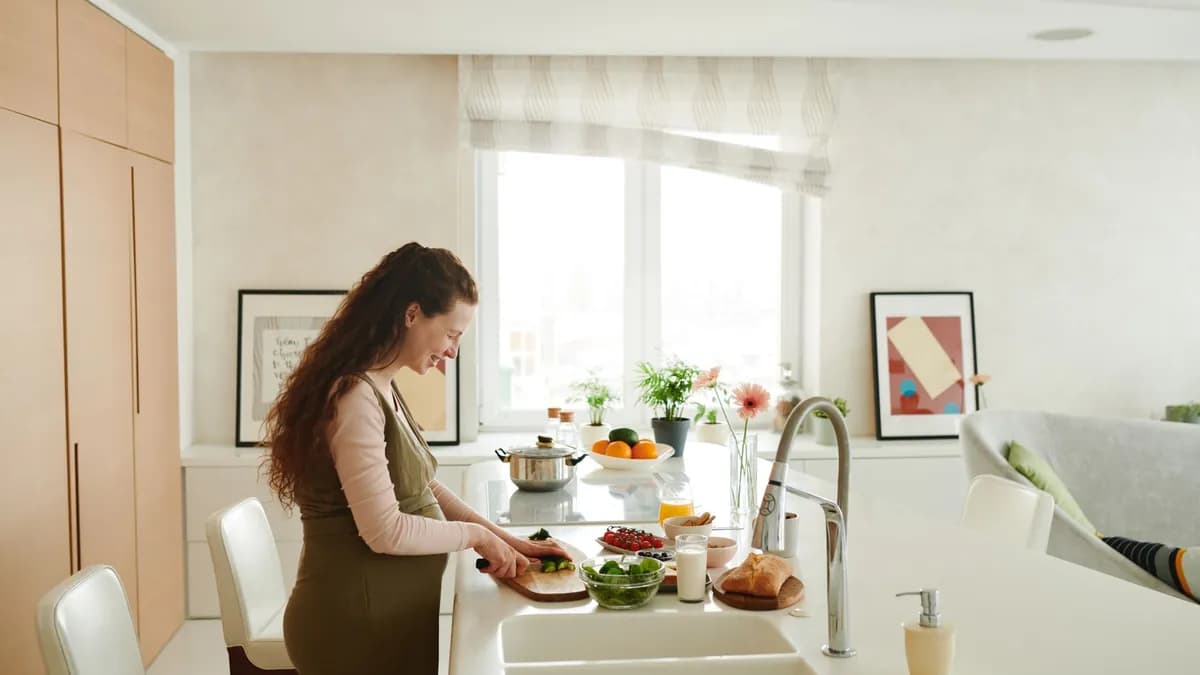
Your need for iron rises sharply in pregnancy, because blood volume increases and the baby and placenta need iron to grow. That makes pregnant women one of the groups most at risk, along with women after birth and while breastfeeding if the lost iron is not replaced.
Other things raise the risk too: strict weight-loss diets, a poorly planned vegetarian diet, closely spaced pregnancies, and some digestive conditions that reduce absorption.
Iron deficiency symptoms you should not ignore
Symptoms come on slowly, so many women get used to them and put them down to everyday stress. The most common are:
- Ongoing tiredness that sleep does not fix.
- Pale skin or a pale inner lower eyelid.
- Shortness of breath or a racing heart on the stairs or with little effort.
- Dizziness and frequent headaches.
- Cold hands and feet, brittle nails and hair loss.
- Unusual cravings for ice, clay or starch.
- Poor concentration and irritability.
These symptoms can have other causes as well, and anemia can only be confirmed with a blood test ordered by your doctor, such as a full blood count and iron stores.
Two kinds of iron in food: heme and non-heme
Iron in food comes in two forms. Heme iron comes from animal sources and is absorbed easily and in higher amounts. Non-heme iron comes from plants and some fortified foods; it is absorbed less well, but the right eating habits improve it a lot.
Good sources of heme iron:
- Beef and chicken liver, though in pregnancy avoid eating a lot of it unless your doctor agrees, because it is very high in vitamin A.
- Red meat such as beef and lamb.
- Chicken and turkey, especially the dark meat.
- Fish such as sardines and tuna, and seafood such as shrimp.
Good sources of non-heme iron in the Arab kitchen:
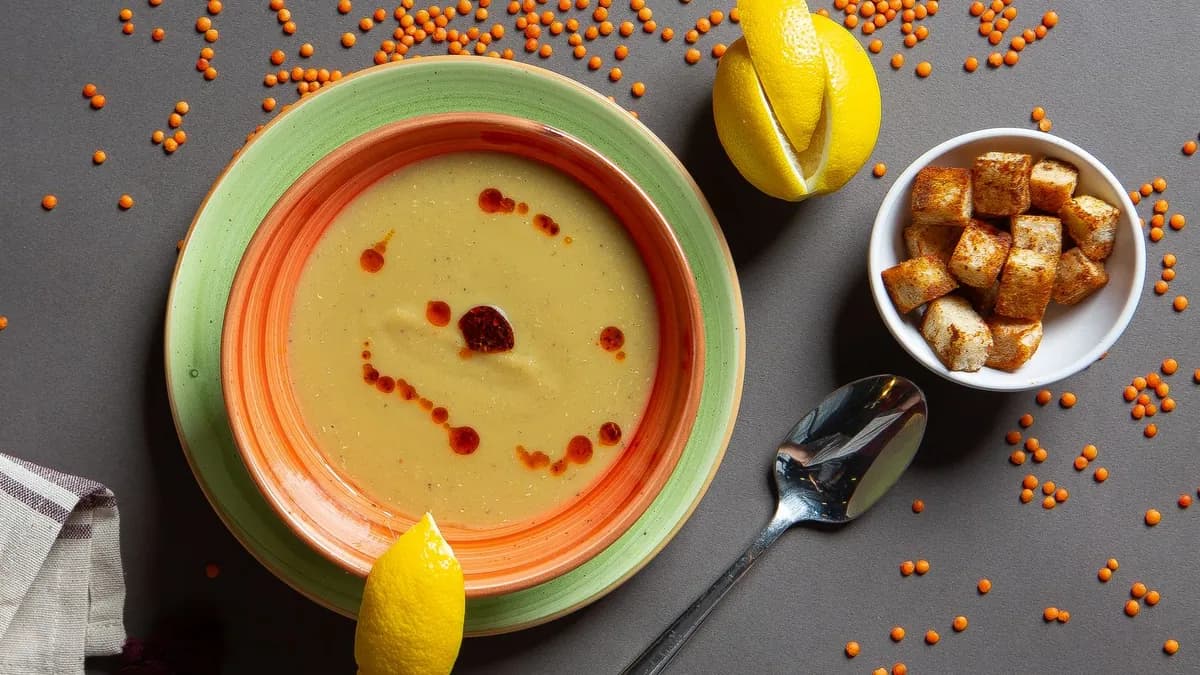
- All kinds of lentils, ful medames (fava beans), chickpeas and beans.
- Spinach, molokhia, rocket and parsley.
- Tahini, sesame and molasses.
- Dates, dried apricots and raisins.
- Eggs, and iron-fortified bread and cereals.
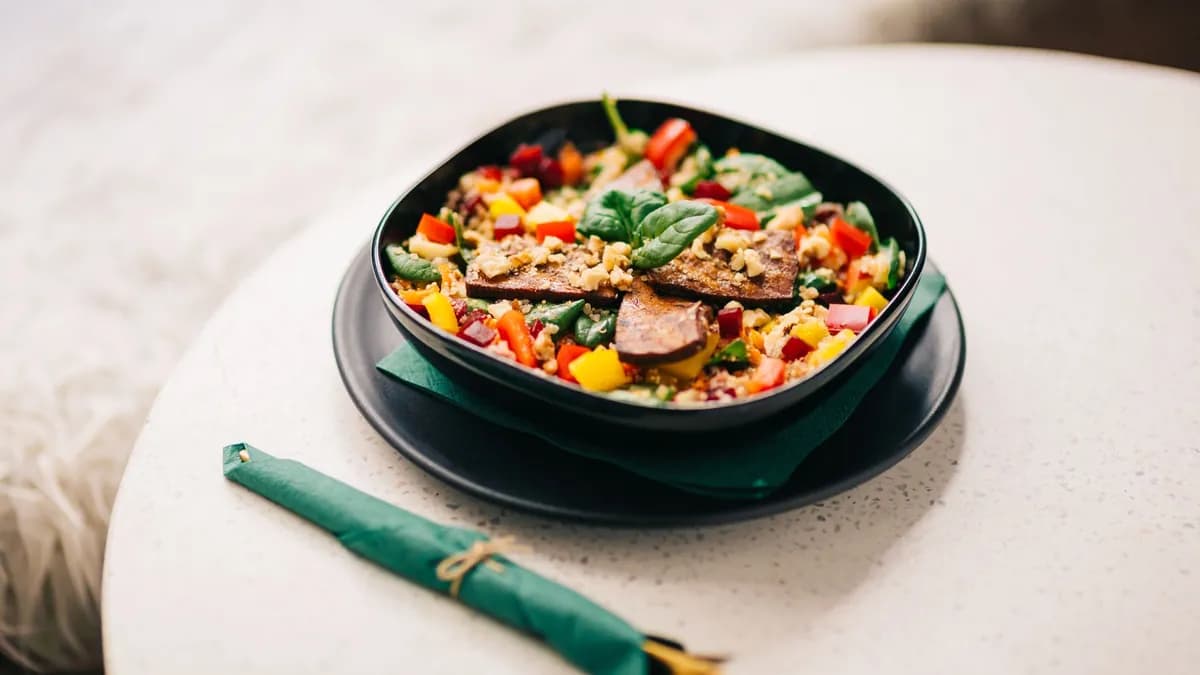
A plate of ful with tahini and parsley, lentil soup with a squeeze of lemon, or molokhia alongside a piece of meat are all simple meals that help you raise your iron every day.
How to absorb more iron from your food
It is not only about how much iron you eat, but how much your body takes in. These habits make a clear difference:
- Add a vitamin C source to the meal, such as lemon on salad or lentils, or an orange, guava, bell peppers or tomatoes.
- Combine animal and plant sources: a little meat or fish with legumes improves absorption of plant iron.
- Keep tea and coffee away from meals, leaving at least an hour before or after eating.
- Where possible, avoid milk, dairy or calcium supplements at the same time as an iron-rich meal.
- Soak legumes before cooking, which reduces some of the compounds that block absorption.
A cup of tea straight after lunch is a common habit, but it can noticeably cut how much iron you absorb from that meal, so delay it a little.
How much iron do you need a day?
Needs vary by age and life stage. According to the US National Institutes of Health, women aged 19 to 50 need about 18 mg of iron a day, rising to about 27 mg in pregnancy and falling to about 8 mg after menopause. The UK's NHS puts the need for women aged 19 to 50 at about 14.8 mg a day.
These figures are for iron from food in a healthy woman, not treatment doses. Vegetarian women may need more iron-rich food, because plant iron is absorbed less well.
Can diet alone treat iron deficiency anemia?
A balanced diet is the foundation of prevention and helps keep your stores up after treatment. But once iron deficiency anemia has shown up on a blood test, your stores are usually too low to rebuild quickly with food alone.
In that case your doctor may prescribe iron supplements and will decide the type, dose and duration based on your results and situation. Do not start iron supplements on your own: too much iron can be harmful, and it may hide another cause that needs treatment. Just as importantly, your doctor will look for the reason behind the deficiency, such as heavy periods or an absorption problem, because treating the cause is a key part of the solution.
If you are already taking supplements on prescription, do not stop or change them without talking to your doctor.
When should you see a doctor right away?
Some signs mean you should not wait or rely on food alone. See a doctor promptly if you notice:
- Very heavy periods, such as needing to change your pad every hour or less for several hours, or passing large clots.
- Shortness of breath at rest, chest pain or a strong, pounding heartbeat.
- Fainting, or dizziness so severe you nearly pass out.
- Any bleeding during pregnancy.
- Blood in your stool or black stools.
It also helps to keep an eye on how heavy your periods are month after month. In the Lady app you can log your flow every day in the daily log along with symptoms such as tiredness and dizziness, follow when your next period is due, and if you have a question you can ask a specialist doctor from inside the app, so you have a clear record to share at your consultation.
In short, iron deficiency anemia is common among women, but it can be prevented and treated. Make iron-rich foods a regular part of your meals, pair them with vitamin C, keep tea away from mealtimes, and do not hesitate to get tested and see your doctor if symptoms continue.
Frequently asked questions
What is the fastest way to raise iron levels?
If the deficiency is mild, iron-rich food paired with vitamin C slowly improves your stores. If anemia is confirmed, your doctor decides whether you need supplements or another treatment. No diet raises iron overnight.
Is spinach the best source of iron?
Spinach contains iron, but it is the non-heme kind and it also contains compounds that reduce absorption. It is useful as part of a varied diet, but liver, red meat, and lentils with lemon may give you more benefit.
Does drinking tea cause anemia?
Tea does not cause anemia on its own, but it reduces iron absorption if you drink it with a meal or right after. Leaving about an hour between tea and food is enough, especially if your iron stores are low.
Can heavy periods cause iron deficiency?
Yes, heavy periods are one of the most common causes of iron deficiency in women. If your periods are regularly heavy or long, see your doctor to find the cause and check your iron levels.
Discussion
0