
A practical look at folate, iron, calcium, vitamin D, protein, and omega-3s — and why prenatal vitamins are meant to complement food, not replace it.
Pregnancy noticeably increases the body's need for a number of nutrients — not because ordinary food suddenly stops being enough, but because the body is now building and supporting an entirely new life alongside its usual needs. Knowing the most important of these nutrients and where they naturally come from makes it feel more like a set of simple daily choices than a complicated list to memorize.
Folic acid, or folate in its natural form, is one of the most important nutrients especially in the early stages, since it plays a key role in the formation of the neural tube, from which the baby's brain and spinal cord develop. Folate occurs naturally in dark leafy greens, legumes, and citrus fruits, but the natural amounts found in food are often lower than what's needed during this stage, which is one of the main reasons doctors recommend a folic acid supplement specifically, sometimes even before pregnancy begins.
Iron is another nutrient whose need roughly doubles as pregnancy progresses, since blood volume increases substantially to support oxygen delivery to the baby, and this draws down iron stores faster than usual. Red meat, poultry, legumes, and dark leafy greens are all good sources of iron, and pairing them with a source of vitamin C, like citrus fruits or bell peppers, helps the body absorb it more efficiently.
Calcium and vitamin D work closely together: calcium is essential for building the baby's bones and teeth, while vitamin D is what actually allows the body to absorb and use that calcium. Dairy and its products are among the best sources of calcium, while vitamin D comes from moderate sun exposure and certain fortified foods, and many women specifically need a vitamin D supplement since its natural food sources are relatively limited compared to the need.
Protein deserves special attention too, since it forms the basic building block for the baby's growing tissues as well as the mother's own expanding tissues, like the placenta and breast tissue. Meat, poultry, fish, eggs, legumes, and dairy products are all good protein sources, and it helps to spread these sources across the day rather than concentrating them in a single meal, so the body can make more balanced use of them.
As for omega-3s, particularly the fatty acid known for its role in the baby's brain and eye development, it's found abundantly in low-mercury fatty fish like salmon, as well as in walnuts and flaxseeds for those who prefer plant-based sources. Getting a good source of omega-3s roughly twice a week is considered a reasonable target for most pregnant women.
The most important point in all of this is that prenatal vitamins, despite how important they are, are designed to complement food, not replace it. The vitamin fills the gap that's hard for food alone to cover during a period when needs have risen sharply, but it doesn't contain everything real food does in terms of fiber, energy, and other beneficial compounds, and it can't stand in for a varied, balanced way of eating. So the idea isn't choosing between food and a vitamin — it's combining the two wisely, while always asking your doctor about the type and dose that best suits your particular situation.
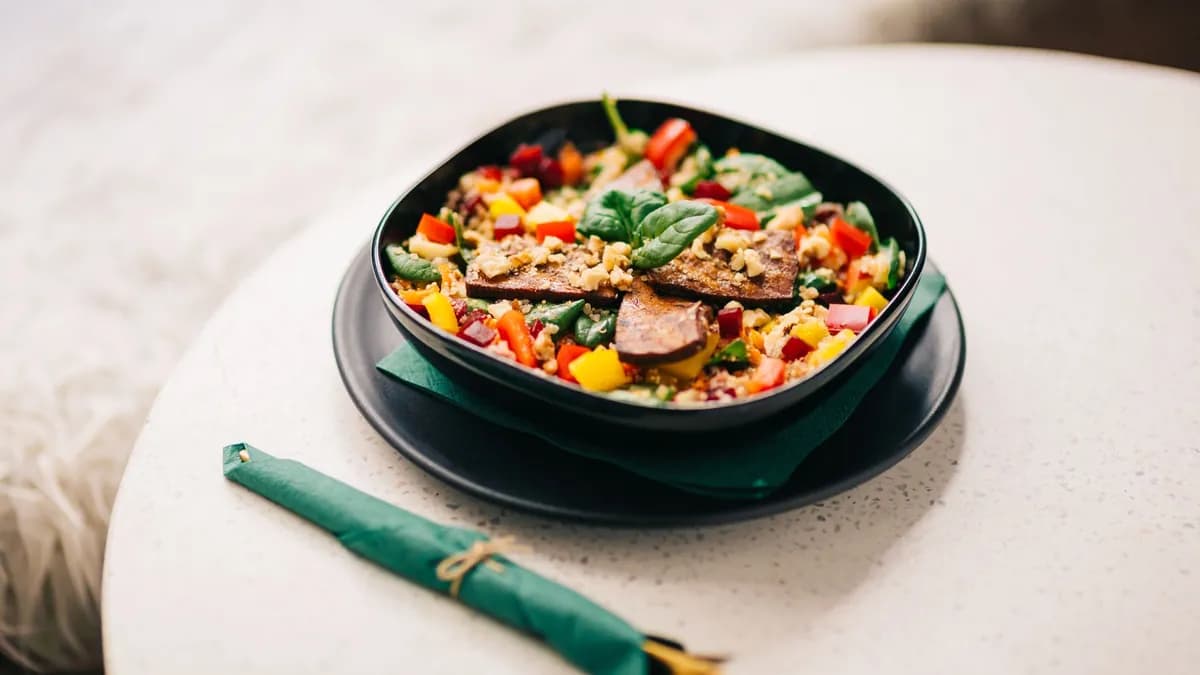
It also helps to think of a meal as a complete plate rather than separate items: roughly half the plate filled with varied vegetables, a quarter with a good protein source, and the remaining quarter with whole-grain carbohydrates like brown rice, oats, or whole wheat bread. This simple layout helps cover most of the nutrients above together in a single meal without needing complicated calculations. It's also worth paying attention to iodine, found in fish, dairy products, and iodized salt, since it's essential for the thyroid gland, which regulates metabolism for both mother and baby.

Discussion
0