Understand your body, phase by phase
Articles on the menstrual cycle, pregnancy, fertility, nutrition and mental health — from the Lady app team, in plain words and without hype.
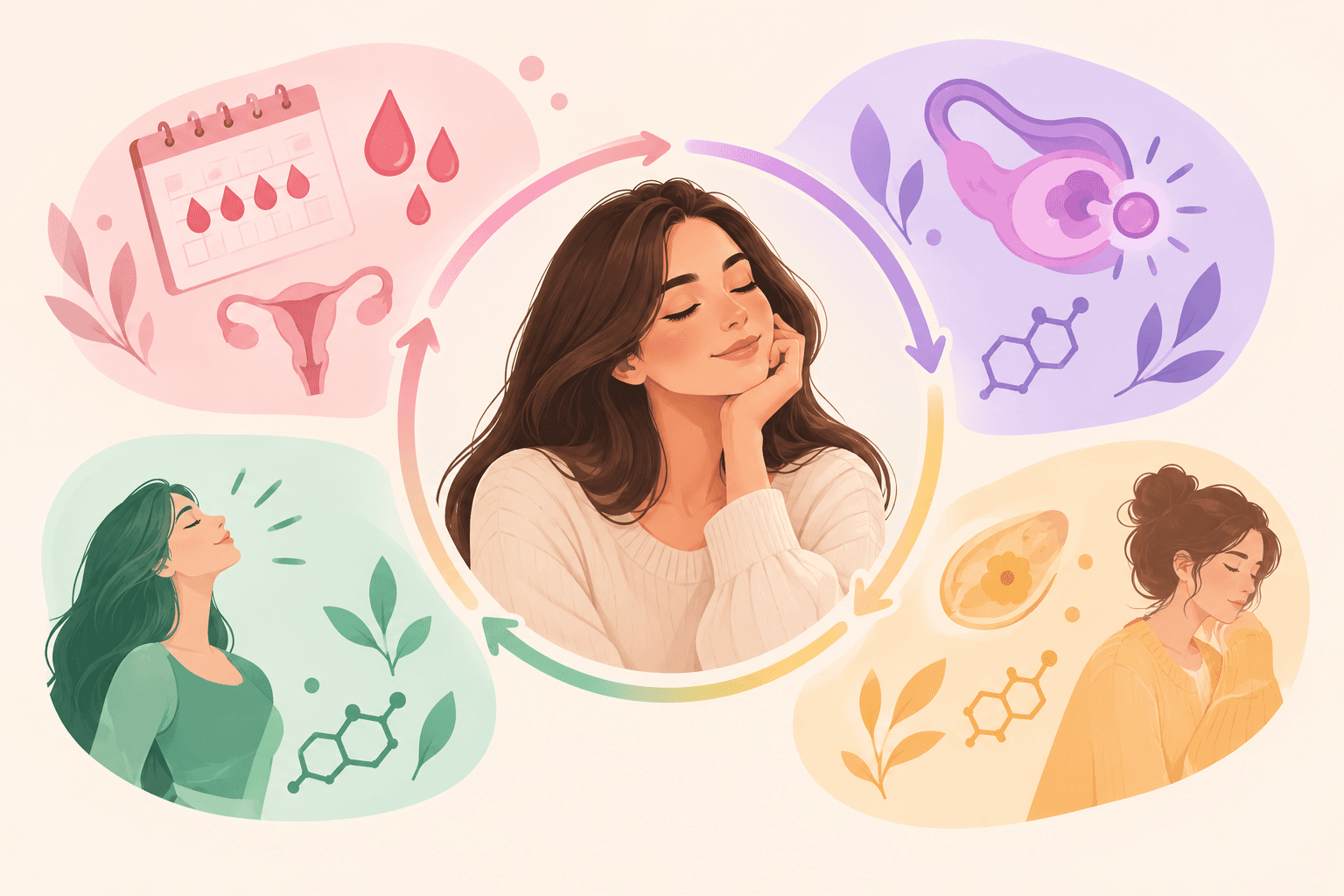

Hormones and Mood: Why Do You Sometimes Feel Tired or Sad?
Hormones and mood are closely linked, explaining tiredness and sadness on certain cycle days. Learn the role of estrogen, thyroid and sleep, and when to see a doctor.

Why Is My Period Late? Common and Normal Causes
A late period does not always mean pregnancy or a health problem. Learn its common, normal causes, when it is nothing to worry about, and when to see a doctor.

PCOS and Fertility: A Step-by-Step Guide to Facing This Challenge
PCOS and fertility: why ovulation is affected, how a doctor diagnoses it, and how weight and treatment shape your chances. A calm, step-by-step guide.

Pregnancy Calculator: Counting Your Weeks and Estimated Due Date
A pregnancy calculator estimates your weeks and due date from your last period. Learn how Naegele's rule and ultrasound work, and why the date is only an estimate.
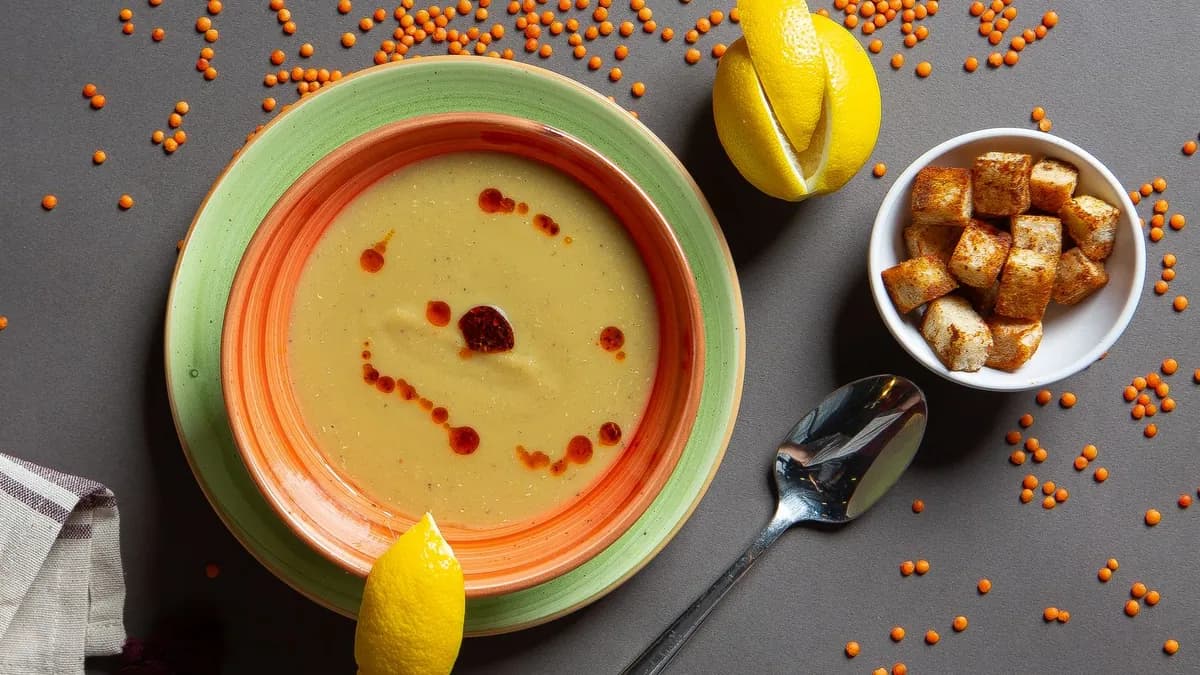
How to Raise Your Iron Levels and Fight Iron Deficiency Anemia With Food
Iron deficiency anemia is common in women because of periods and pregnancy. Learn the symptoms, the best iron-rich foods, how to absorb more, and when to see a doctor.

What Your Hormones Are Actually Doing in Each Phase of Your Cycle
Mood swings, energy dips, and sudden cravings aren't random — they follow a predictable hormonal rhythm that repeats every cycle, once you know the four phases behind it.

Living With PMS: What's Happening in Your Body and What Actually Helps
PMS is a real physiological response to hormonal shifts, not something to just push through — and a handful of everyday habits, done consistently, can noticeably ease it.
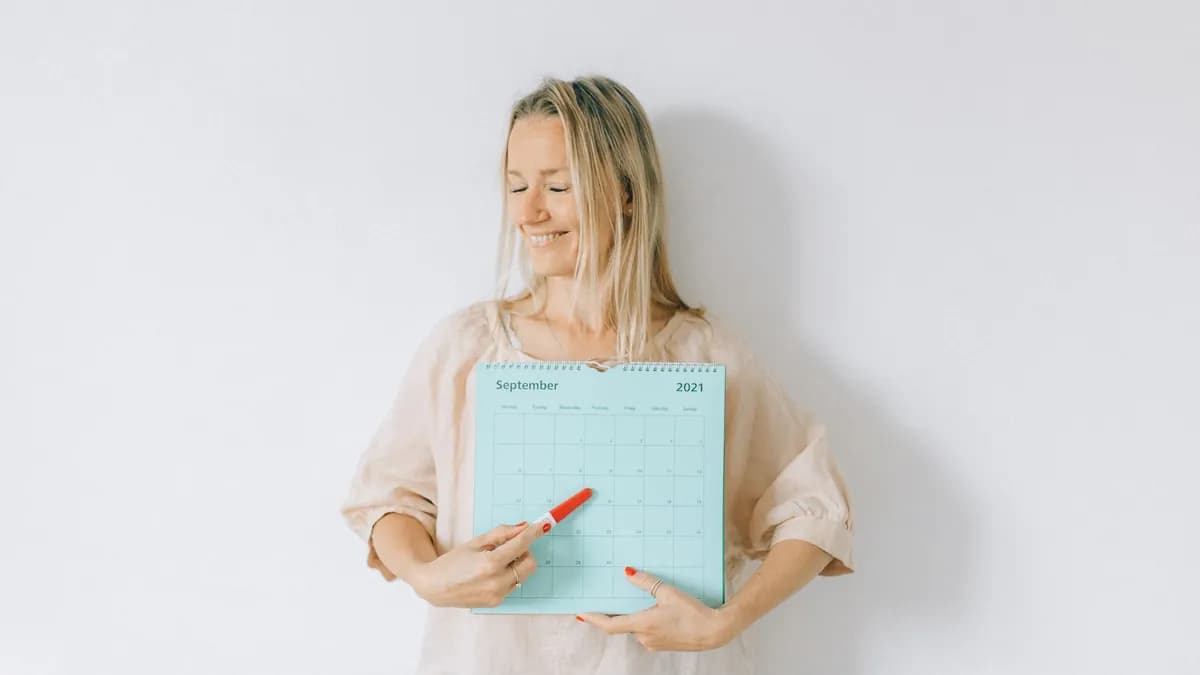
Understanding Ovulation and the Fertile Window
Recognizing the body's own signals around ovulation — and understanding just how short the fertile window really is — can make timing intercourse far more purposeful for those trying to conceive.

What Can Affect Fertility — and What's Actually Within Your Control
Age, cycle regularity, thyroid health, weight, habits, and stress can all play a role in fertility — understanding which factors you can influence, and which you simply can't, takes away needless guilt.

When It Makes Sense to See a Fertility Specialist
Seeking fertility help isn't an overreaction — general guidance points to one year of trying under 35 and sooner for others, and a first visit is usually far less intimidating than it sounds.

The First Trimester: What's Normal and What Warrants a Call to Your Doctor
A reassuring guide to common first-trimester symptoms like nausea and fatigue, alongside the small set of signs that genuinely warrant calling your doctor.

Getting Ready for Labor: A Practical Hospital Bag and a Flexible Birth Plan
Good preparation for labor isn't about writing a rigid script — it's a practical bag, clear questions for your doctor, and a flexible plan that leaves less room for disappointment when things change.

Medications and Lifestyle Choices in Pregnancy: What's Worth Checking With Your Doctor
A calm, practical guide to the categories of medications, foods, and habits worth checking with your doctor or pharmacist during pregnancy — no scare tactics, no dosage details.

The Nutrients That Matter Most in Pregnancy — and Why Vitamins Alone Aren't Enough
A practical look at folate, iron, calcium, vitamin D, protein, and omega-3s — and why prenatal vitamins are meant to complement food, not replace it.

Gestational Diabetes, Simply Explained: Screening and Everyday Eating That Helps
Understand what gestational diabetes is, why blood sugar shifts during pregnancy, what the screening test usually involves, and simple daily eating habits that help keep it stable.

Hydration and Everyday Eating Habits That Support Hormonal Balance
A realistic, diet-culture-free look at how water, fiber, healthy fats, and cutting back on excess sugar support hormonal balance, whether you're tracking your cycle or pregnant.

Baby Blues or Postpartum Depression? How to Tell the Difference
Feeling weepy after birth is common and usually passes within weeks, but when sadness lingers or deepens it may be postpartum depression, and reaching out for help is an act of strength.

Managing Anxiety During Pregnancy: What's Normal and When to Seek Support
A degree of worry during pregnancy is normal, but there are practical ways to calm a racing mind, and clear signs it's time to talk to a doctor or therapist.